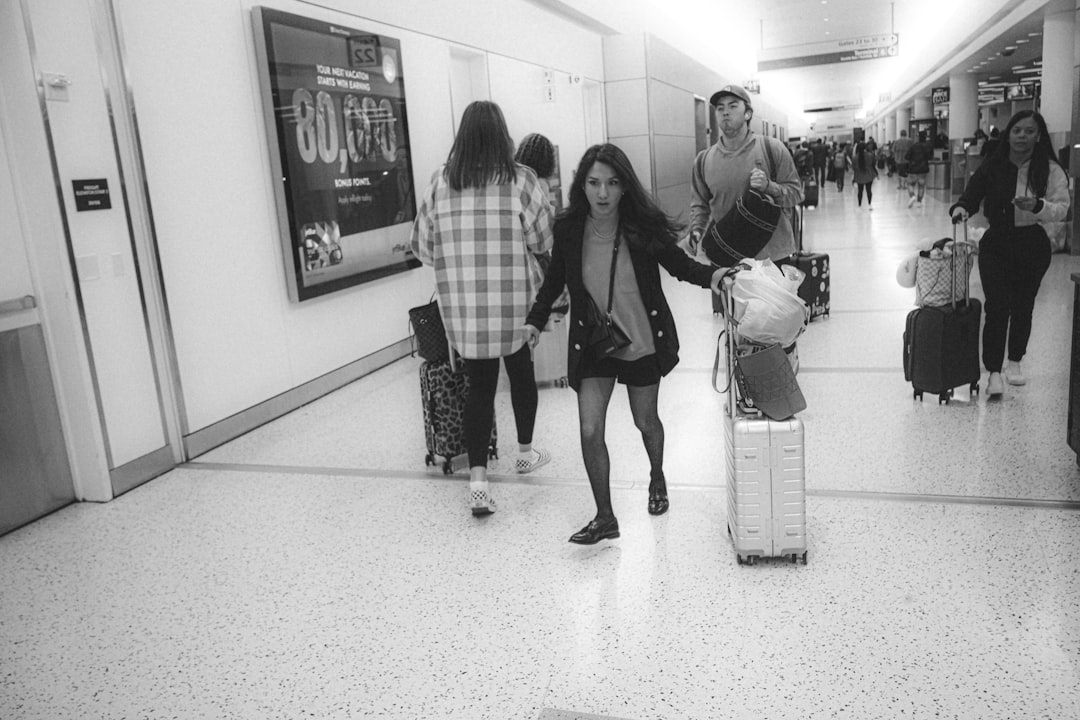

Flying with children becomes easier when the important choices are made before travel day. This checklist focuses on the moments that usually create stress: booking the right schedule, confirming documents, packing essentials, managing airport transitions, and protecting the first hours after arrival.
Before booking
Compare total travel time, connection length, arrival time, baggage rules, and seat-selection costs—not just the fare. A slightly more expensive nonstop flight can be better value when it removes a difficult connection, extra meals, or an overnight arrival.
Check the airline’s current rules for lap infants, child seating, strollers, car seats, bassinets, and family boarding before purchase. Requirements vary by carrier and route, so use the airline’s own guidance for the flight you are considering.
Confirm documents early
Review passport validity, visa or entry requirements, consent documentation when applicable, and the names on every ticket. The reservation name should match the traveler’s identification. Store secure digital copies separately from the originals and keep required documents accessible during the journey.
Choose seats intentionally
Think about who needs quick aisle access, who can manage a window seat, and whether adults should sit on either side of younger children. Do not assume seats will automatically be together. Review the seat map and the airline’s family-seating policy, then confirm assignments again before check-in.
Pack one personal-item survival bag
Keep travel documents, medication, a change of clothes, basic hygiene supplies, charging cables, snacks, and comfort items in the bags that stay with you. Pack enough essentials to handle a delay or a checked bag arriving later.
Use small pouches by purpose—documents, health, food, electronics, and each child’s activities—so you can reach what you need without unpacking the whole bag.
Prepare entertainment in layers
Download shows, books, games, and audio before leaving home. Bring child-safe headphones and one screen-free option. Introduce activities gradually instead of giving everything out at once. A familiar small toy can help during unfamiliar transitions.
At the airport
Allow time for bathroom stops, stroller handling, security questions, and finding food. Explain the next step to children in simple terms: check bags, go through security, find the gate, eat, and board. Predictability can reduce anxiety.
Ask staff before collapsing a stroller or removing a child from a carrier because procedures vary. Keep liquids, electronics, and documents where they can be reached without opening every compartment.
During connections
Choose a connection long enough for the entire family to leave the aircraft, find facilities, move between terminals, and reach the next gate. On arrival, confirm the next gate before stopping for food. If the flight is delayed, check the airline’s app and speak with staff early.
Plan the arrival
Save the lodging address, transportation instructions, and check-in details offline. If your phone service may not work immediately, arrange connectivity before departure.
Keep the first meal and first evening simple. The family has already completed the hardest part of the day; arrival should be about food, hydration, and rest.
Affiliate note: Family Stay Finder may earn a commission when you book through some links, at no extra cost to you. See our Affiliate Disclosure.
Leave a Reply